
Introduction
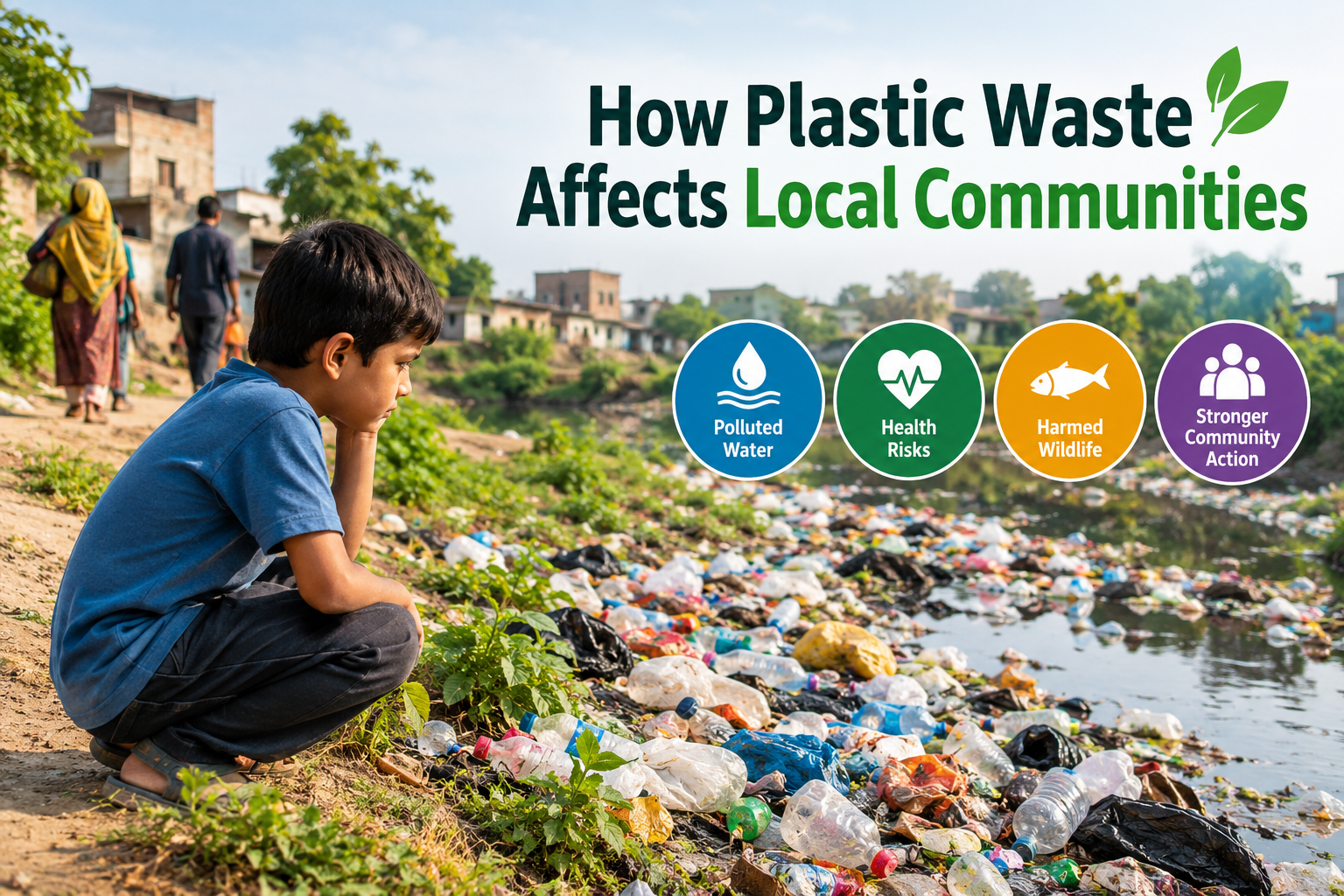
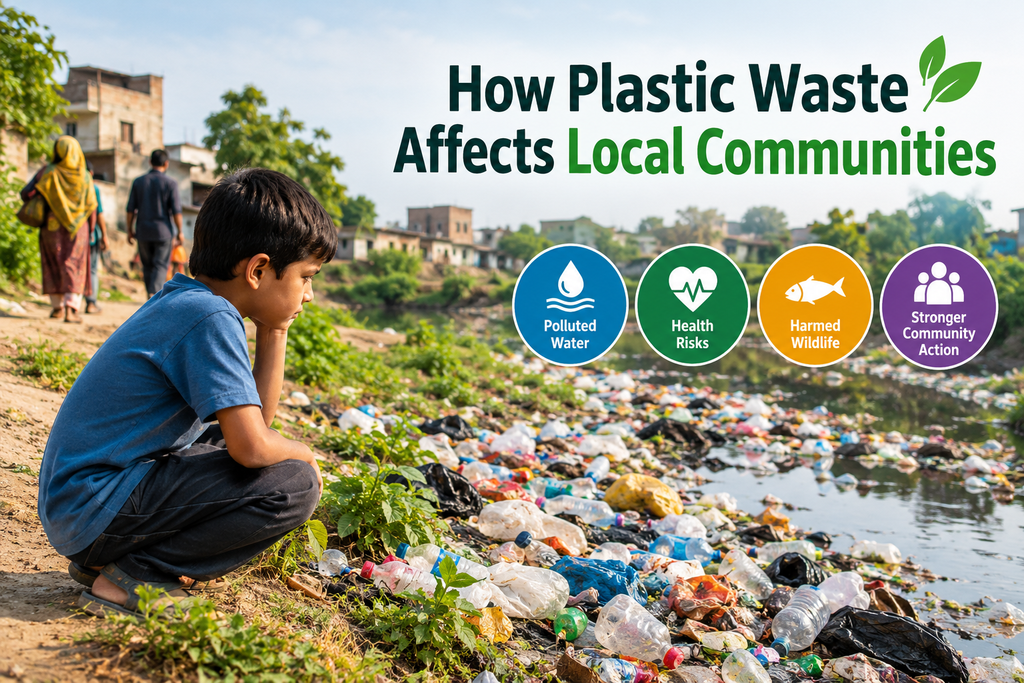
Plastic waste has become one of the most common environmental problems affecting local communities around the world. From crowded cities to small villages, plastic bags, bottles, food wrappers, and disposable packaging can be seen on roadsides, in drainage channels, near markets, and along rivers. Although plastic products are convenient and affordable, the waste they create can cause serious problems when it is not collected, recycled, or disposed of properly.
In my view, plastic pollution is not only an environmental issue. It is also a community problem that affects public health, cleanliness, local businesses, wildlife, and the quality of everyday life. When plastic waste accumulates in residential areas, the people living nearby often experience the consequences first. Children may play near polluted spaces, drains can become blocked, and residents may have to deal with unpleasant surroundings.
Understanding how plastic waste affects local communities is an important step toward finding practical solutions. By changing our daily habits, improving waste management, and encouraging public participation, we can reduce plastic pollution and create cleaner places to live.
1. Plastic Waste Makes Neighborhoods Dirty
One of the most visible effects of plastic waste is the loss of cleanliness in local neighborhoods. Plastic bags, bottles, disposable cups, and food packaging often collect along streets, sidewalks, empty plots, and public spaces. When rubbish is left unattended, it can spread through the area because of wind, rain, and passing vehicles.
A clean neighborhood creates a more pleasant environment for families and visitors. However, when plastic waste covers public spaces, residents may feel that their surroundings are neglected. Parks and playgrounds can become less attractive, while streets may look poorly maintained even when residents try to keep their homes clean.
In my opinion, maintaining cleanliness should be a shared responsibility. People need to dispose of their rubbish correctly, while local authorities should provide accessible waste collection services. Regular cleaning campaigns can also help communities maintain public spaces and encourage residents to take greater responsibility for their surroundings.
2. Plastic Pollution Creates Health Concerns
Plastic waste can contribute to several public health concerns, especially when it accumulates near homes, schools, markets, and other busy places. Waste piles may contain food leftovers, dirty packaging, and other materials that attract flies, rodents, and other pests.
Blocked drainage channels can also leave standing water in streets and residential areas. Depending on local conditions, standing water may create breeding sites for mosquitoes, which can spread diseases such as dengue fever. Plastic waste does not directly cause every health problem associated with these conditions, but poor waste management can make the surrounding environment less healthy.
Another concern arises when people burn plastic rubbish to get rid of it. Burning plastic can release harmful pollutants and irritating fumes into the air. People living nearby may experience coughing, breathing discomfort, and eye irritation, while repeated exposure to smoke can pose additional health risks.
I believe communities should avoid burning household plastic waste and instead use appropriate collection and disposal services. Public awareness programs can help residents understand why proper waste handling is important for protecting families and neighbors.
3. Plastic Waste Blocks Drainage Systems
Blocked drains are among the most serious local problems associated with plastic pollution. Lightweight plastic bags and food wrappers can easily enter drainage channels, especially when people throw rubbish into streets or when waste collection is inadequate.
Over time, plastic materials can combine with mud, leaves, and other rubbish to restrict the flow of water. During heavy rainfall, blocked drains may overflow and contribute to waterlogging or localized flooding.
This problem can affect homes, shops, schools, and roads. Residents may face difficulties reaching their workplaces, children may struggle to travel to school, and shopkeepers can lose customers when streets become difficult to access.
In many communities, preventing drainage blockages is more practical than repeatedly clearing them after problems occur. Properly placed waste bins, routine drain maintenance, and responsible disposal habits can help reduce the amount of plastic entering drainage systems.
Local authorities and residents should work together to identify frequently blocked areas and improve waste collection before the rainy season begins.
4. Plastic Pollution Harms Rivers and Wildlife
Plastic waste can travel far beyond the place where it is discarded. Rainwater may carry plastic bags and wrappers into streams, rivers, canals, and other waterways. Once plastic enters these environments, it can remain there for a long time and gradually break into smaller pieces.
Aquatic animals may swallow plastic particles or become entangled in discarded packaging, fishing materials, and other plastic items. Birds and other wildlife can also mistake small pieces of plastic for food.
These effects can disturb natural habitats and contribute to wider environmental damage. Plastic pollution in waterways can also affect people who depend on local rivers and wetlands for fishing, agriculture, recreation, or other activities.
In my view, protecting wildlife begins with reducing pollution at its source. Communities should avoid throwing rubbish into waterways and should support organized cleanups that collect waste safely. Preventing plastic from reaching rivers is generally more effective than trying to remove every piece after it has spread through the environment.
5. Plastic Waste Can Affect Local Businesses
Plastic pollution can also create economic difficulties for local businesses. Shops, restaurants, street vendors, and market traders depend on clean surroundings to attract customers. When rubbish accumulates outside commercial areas, the environment can become less welcoming.
Shopkeepers may need to spend additional time and money cleaning the areas around their businesses. Flooding caused partly by blocked drainage can interrupt business operations, damage goods, and make customer access more difficult.
Tourism and recreation can also suffer when public parks, lakesides, and other popular places become polluted. Visitors may choose cleaner destinations, reducing potential income for local vendors and service providers.
However, businesses can also become part of the solution. Shop owners can reduce unnecessary packaging, encourage reusable shopping bags, and provide suitable waste bins. Markets can introduce better collection arrangements so that rubbish does not accumulate throughout the day.
These small improvements can support a cleaner business environment while demonstrating that environmental responsibility and economic activity can work together.
6. Plastic Waste Affects Soil and Agriculture
Plastic pollution can affect the quality and appearance of land used for gardening and agriculture. Plastic bags, packaging, and fragments may accumulate in fields, roadside soil, and vacant land when waste is dumped without proper management.
Larger pieces can interfere with agricultural activities, while plastic fragments may mix with soil and become difficult to remove. Over time, larger plastic items can break into microplastics, which are tiny plastic particles that can persist in the environment.
The long term effects of microplastics on different soils, crops, and ecosystems are still being studied. Nevertheless, preventing plastic waste from entering agricultural land is a sensible precaution.
Farmers and gardeners can help by collecting used packaging, storing agricultural plastic responsibly, and avoiding the dumping or burning of waste near fields.
Local communities can support these efforts through regular collection services and awareness programs that explain the importance of keeping farmland free from rubbish.
7. Plastic Waste Increases Pressure on Local Authorities
Managing plastic waste requires resources, planning, and regular public services. Local authorities may need to arrange waste collection, maintain disposal sites, clean public spaces, and remove rubbish from blocked drains.
When plastic waste is discarded carelessly, these tasks become more difficult. Waste collection teams may have to revisit the same locations repeatedly, using time and resources that could otherwise support other community services.
Poor waste management can also create frustration among residents who want cleaner neighborhoods but lack reliable collection facilities.
I believe effective waste management requires more than occasional cleaning campaigns. Communities need accessible collection points, regular collection schedules, public education, and appropriate recycling facilities. Authorities should also encourage residents to report illegal dumping and participate in local environmental initiatives.
A consistent system is more likely to produce lasting improvements than short term efforts that leave the causes of pollution unchanged.
8. Plastic Waste Disproportionately Affects Vulnerable Communities
Not every neighborhood experiences plastic pollution in the same way. Communities with limited waste collection services may face greater exposure to accumulated rubbish, polluted drainage channels, and unsafe disposal practices.
Low income households may have fewer options for avoiding polluted surroundings, particularly when waste is dumped near homes or shared public spaces. Children, older adults, sanitation workers, and people with existing breathing difficulties may be especially affected by particular environmental hazards.
Waste pickers and recycling workers can also face risks when handling discarded materials without suitable protective equipment.
These challenges show why plastic pollution should be addressed as an issue of environmental fairness. Every community deserves access to reliable waste services and safe public spaces.
Local improvement programs should prioritize areas with serious waste collection problems rather than concentrating only on prominent commercial districts. Fair access to waste management services can help protect public health and improve living conditions for everyone.
9. Practical Ways to Reduce Plastic Waste in Local Communities
Reducing plastic pollution does not always require expensive technology or complicated plans. Many improvements begin with everyday choices and stronger cooperation between residents, businesses, schools, and local authorities.
Here are some practical steps communities can take.
Use reusable shopping bags. Carrying a reusable bag reduces the need for single use plastic bags during routine shopping.
Choose reusable bottles and containers. Refillable water bottles and durable food containers can reduce disposable packaging.
Separate recyclable materials. Where recycling services are available, keep suitable plastic bottles and other accepted materials separate from general rubbish.
Avoid littering. Put waste in designated bins instead of throwing it into streets, parks, canals, or empty plots.
Organize neighborhood cleanups. Residents can work together to remove litter from public spaces while following safe waste handling practices.
Improve school awareness. Teachers can explain plastic pollution and encourage students to adopt responsible disposal habits.
Support responsible businesses. Customers can choose businesses that minimize unnecessary packaging and provide appropriate waste collection.
Encourage better local services. Residents can request reliable rubbish collection, suitable bins, and improved recycling options from local authorities.
These actions are most effective when they become regular habits rather than activities that happen only on special environmental days.
10. The Role of Government and Community Participation
Government policies and community participation both play important roles in reducing plastic pollution. Authorities can improve collection systems, support recycling infrastructure, enforce applicable waste disposal regulations, and encourage businesses to reduce unnecessary plastic packaging.
At the same time, residents must understand that public services cannot solve the entire problem if rubbish continues to be discarded carelessly. Responsible household habits, community cooperation, and participation in local environmental programs are equally important.
Businesses can contribute by reviewing their packaging choices and ensuring that waste generated by their operations is managed properly. Schools and community organizations can organize educational activities that help people understand the long term consequences of plastic pollution.
In Pakistan, these efforts are particularly relevant to communities where plastic waste collects along roads, in open drains, near markets, and around residential areas. Local solutions should reflect the needs of each community and the waste collection services actually available.
I believe the best results will come when government institutions, businesses, schools, and residents treat plastic pollution as a shared responsibility. Practical cooperation can help reduce waste and create improvements that last.
Conclusion
Plastic waste affects local communities in many ways, including environmental pollution, public health concerns, blocked drainage systems, harm to wildlife, and economic difficulties for businesses. It can also place additional pressure on local authorities and create unfair conditions for neighborhoods that lack reliable waste collection services.
In my view, the most effective approach is to prevent unnecessary plastic waste, improve collection and recycling, and encourage responsible disposal habits. Individuals can make a difference by using reusable products and avoiding littering, while businesses and authorities can support these efforts through better packaging choices and reliable waste management services.
Creating cleaner communities does not depend on one person or organization. It requires consistent action from everyone who shares the same streets, public spaces, and natural environment.
If we take plastic pollution seriously today, we can help protect our surroundings, support healthier neighborhoods, and leave a cleaner environment for future generations.


