Introduction
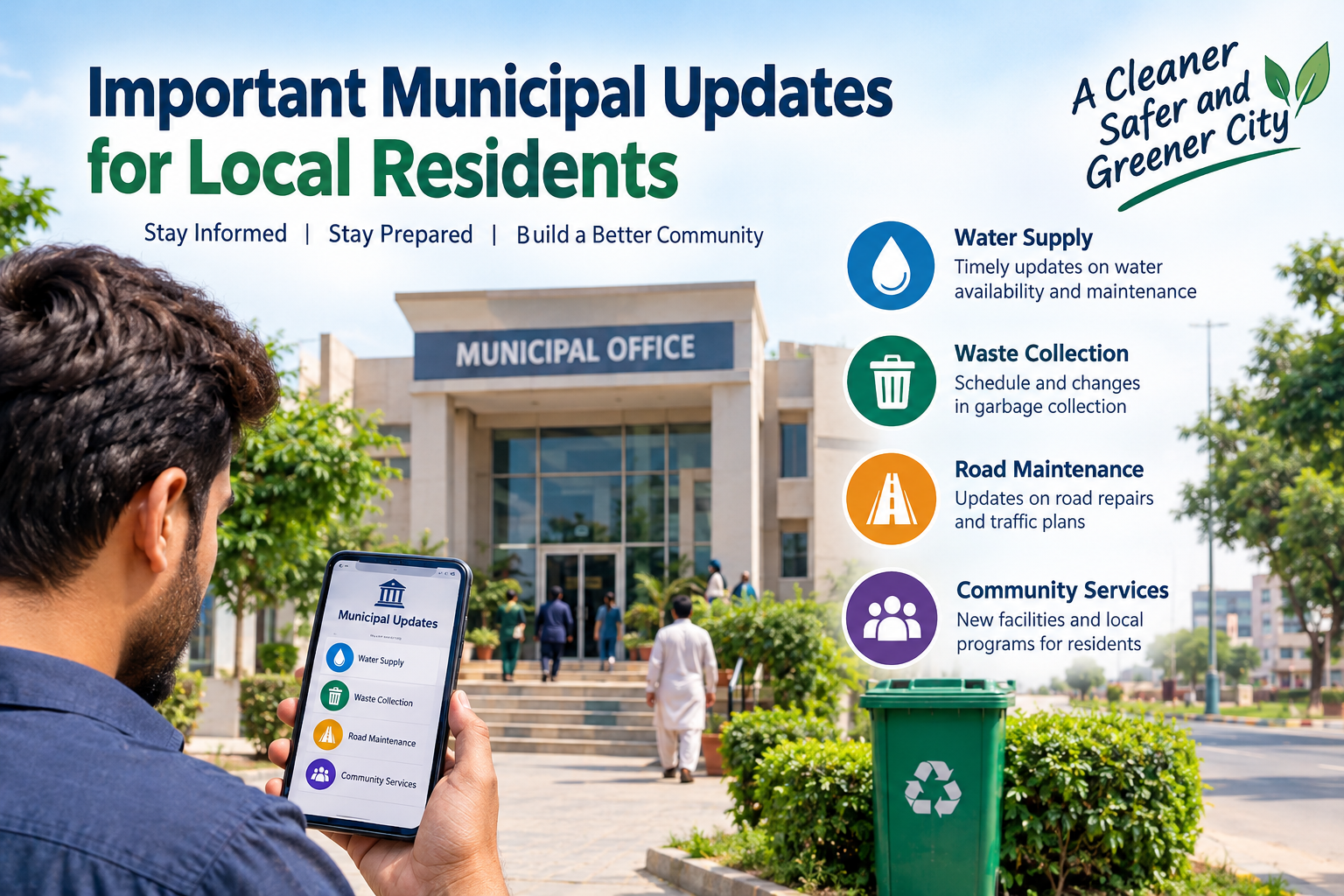
Municipal services play an important role in our everyday lives. From clean drinking water and waste collection to road repairs, streetlights, drainage systems, and public parks, local government services directly affect the comfort and safety of residents. However, many people do not regularly check municipal announcements and only learn about important changes when they experience a problem.
In my view, staying informed about municipal updates is one of the simplest ways to become a more responsible member of the community. A small announcement about water supply maintenance, a temporary road closure, or a revised garbage collection schedule can help residents plan their daily activities and avoid unnecessary difficulties.
For people living in Pakistan, municipal information can be particularly useful because different cities and towns may have different service arrangements. Residents may need to contact their municipal committee, local government office, water and sanitation agency, or another responsible department depending on their area.
In this article, I will explain the most important municipal updates for local residents, how to find reliable information, and why these announcements matter for families, businesses, students, and other community members.
1. Understanding Municipal Updates and Their Importance
Municipal updates are official announcements about local services, public facilities, maintenance work, community projects, and administrative decisions. These updates help residents understand what is happening in their neighbourhood and whether they need to take any action.
For example, a local authority may announce a temporary water supply interruption, road construction, drain cleaning, a change in waste collection timings, or a public meeting about neighbourhood development.
I believe residents should pay attention to these announcements because they provide practical information that can prevent confusion. When people know about planned maintenance in advance, they can store water safely, choose alternative travel routes, or adjust their daily schedules.
Municipal updates also help improve communication between residents and local authorities. When citizens understand which department is responsible for a service, they can report problems to the appropriate office instead of wasting time contacting the wrong organization.
2. Water Supply Updates for Local Residents
Clean and reliable water is one of the most essential municipal services. Households need water for drinking, cooking, cleaning, bathing, and other daily activities. Any interruption can create difficulties, especially for families with children, older adults, or people who depend on a regular water supply.
Local authorities may publish water supply updates when maintenance work is required, pipelines need repairs, pumping stations experience problems, or scheduled improvements affect distribution.
Residents should check official announcements to find out whether an interruption is planned, which neighbourhoods may be affected, and when the service is expected to return. However, estimated restoration times can change if repairs take longer than expected.
My suggestion is to keep a reasonable amount of clean water available for essential household needs when a planned interruption is announced. Water should be stored in clean, covered containers, and drinking water should be handled safely.
Residents should also report leaking pipes, damaged public taps, and suspected water contamination to the relevant authority. These problems should not be ignored because they can waste valuable water or create health risks.
3. Waste Collection and Sanitation Announcements
Waste collection is another important topic in municipal updates. Regular garbage removal helps keep streets clean, reduces unpleasant smells, and supports a healthier neighbourhood.
Municipal authorities or their service contractors may announce changes to waste collection schedules, additional cleaning activities, special sanitation campaigns, or instructions for disposing of particular types of waste.
Residents should check the official collection timetable for their area and place household waste at the designated location and time. Leaving garbage on roadsides, near drains, or beside public buildings can create unnecessary problems for the community.
In my opinion, keeping a neighbourhood clean should be a shared responsibility. Municipal workers have an important role, but residents can also contribute by using proper waste containers, avoiding littering, and encouraging family members to follow local sanitation rules.
People should never assume that a new collection schedule applies to every street in a city. It is better to confirm local arrangements through an official municipal notice or the responsible sanitation department.
Residents can also ask about approved disposal arrangements for bulky household items, garden waste, and other materials that may not be collected with ordinary rubbish.
4. Road Repairs and Traffic Updates
Road conditions affect almost everyone, including office workers, students, shopkeepers, delivery riders, and public transport passengers. Municipal departments may announce road repairs, resurfacing projects, drainage work, pavement improvements, or temporary road closures.
These announcements are important because construction activities can cause delays and change normal travel routes. Residents who check local road updates before leaving home can plan alternative routes and allow additional time for their journeys.
I believe road maintenance should be communicated clearly to the public. An announcement should explain the affected location, expected duration of the work, available alternative routes, and any restrictions that motorists need to follow.
Residents should also report dangerous potholes, damaged footpaths, broken road covers, and missing traffic signs to the relevant authority. When reporting a problem, provide the street name, a nearby landmark, and a clear description of the issue.
For safety, motorists should follow temporary traffic signs and avoid entering closed construction areas. Pedestrians should use safe walking routes whenever possible, particularly near schools, markets, and busy intersections.
5. Drainage, Sewerage, and Rainwater Management
Drainage and sewerage systems are essential for maintaining clean and safe neighbourhoods. Blocked drains can cause standing water, unpleasant smells, property damage, and difficulties for pedestrians and motorists.
Municipal authorities may announce drain cleaning, sewerage repairs, desilting activities, and preparations for seasonal rainfall. Residents should pay attention to these municipal service updates, especially during periods of heavy rain.
In my opinion, preventing drainage problems requires cooperation between authorities and local communities. Municipal teams need to maintain public drainage systems, while residents should avoid throwing plastic bags, food waste, and other rubbish into drains.
If water begins collecting on a road or near a home, residents should report the location to the responsible department. Electrical equipment and fallen electrical wires near standing water should be treated as serious hazards.
Official weather and emergency announcements should also be monitored during severe weather. Residents should not assume that a drain cleaning notice guarantees protection from flooding, because rainfall intensity and other local conditions can affect the outcome.
6. Streetlights, Parks, and Public Facilities
Streetlights, parks, footpaths, playgrounds, and public seating areas contribute to the quality of life in a neighbourhood. These facilities provide places for recreation, walking, social interaction, and community activities.
Local government announcements may include streetlight repairs, park maintenance schedules, tree planting campaigns, playground improvements, or the reopening of public facilities after maintenance.
Residents should check whether parks or community spaces have temporary closures or revised opening arrangements before planning a visit.
I believe public spaces deserve greater attention because they benefit children, older adults, families, and people who want to exercise outdoors. Well maintained parks can also make neighbourhoods more attractive and encourage residents to spend time outside.
Citizens can support these improvements by keeping public spaces clean, protecting plants, using waste bins, and reporting damaged equipment. Broken playground equipment, exposed electrical wiring, and damaged streetlights should be reported promptly.
When municipal authorities publish information about community improvement projects, residents should review the details and share constructive feedback through appropriate channels.
7. Local Taxes, Municipal Fees, and Important Deadlines
Another important category of municipal updates concerns local taxes, service charges, licences, building permissions, and payment deadlines. The exact responsibilities of municipal authorities differ by location, so residents should confirm which department manages a particular service.
Official notices may explain changes to fees, payment procedures, required documents, application deadlines, or the availability of online services.
I recommend reading these announcements carefully instead of relying on forwarded messages or unofficial social media posts. Before making a payment, verify the responsible department, official payment method, applicable amount, and deadline.
Residents should keep receipts and copies of relevant documents. They should also be cautious about messages that demand immediate payments through personal bank accounts or unfamiliar links.
If an announcement is unclear, contact the relevant municipal office through an independently verified phone number or official website.
Staying informed about municipal fees and administrative deadlines can help residents avoid missed payments, incomplete applications, and unnecessary visits to government offices.
8. How to Find Verified Municipal Updates
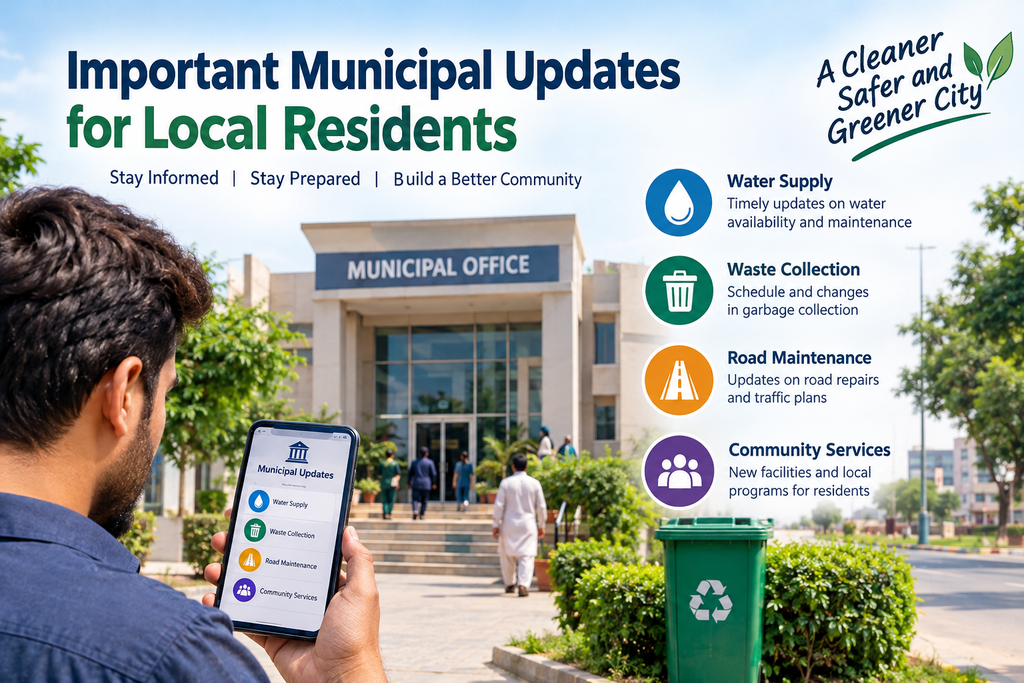
Finding reliable municipal information is easier when residents know where to look. Different cities and towns may use different communication channels, so it is important to identify the official authority responsible for your neighbourhood.
Here are some practical ways to check municipal announcements.
Official government websites: Check the website of your municipal committee, local government department, municipal corporation, or relevant service provider. Look for notices, public announcements, service schedules, and contact information.
Verified social media pages: Some local authorities publish announcements through verified or clearly identified social media accounts. Check the account details and compare important information with official notices.
Municipal offices: Residents can visit the relevant office when information is unavailable online or when an application requires physical documents.
Local newspapers and news websites: Established local news sources can help residents discover public announcements and community projects. Whenever possible, verify important claims against the original official notice.
Community representatives: Local representatives and neighbourhood committees may help residents understand service changes and identify the correct department to contact.
My advice is to verify the date of every announcement. An old notice about a road closure or water interruption may no longer apply. Residents should also distinguish between a proposed project, an officially approved project, work that has started, and a completed project.
These are different stages, and accurate reporting helps prevent confusion.
9. How Residents Can Report Municipal Problems
Checking municipal updates is important, but residents should also know how to report problems. A damaged road, overflowing drain, missed garbage collection, or broken streetlight may require direct attention from the responsible department.
When submitting a complaint, include the following information:
- The exact street or neighbourhood where the problem exists.
- A clear description of the issue.
- The date the problem was noticed.
- A photograph, if it can be taken safely.
- Your complaint reference number, if one is provided.
Keep the language respectful and focus on the facts. If the authority provides a complaint tracking facility, use it to check progress before submitting duplicate complaints.
Residents can also raise repeated neighbourhood concerns through community meetings or other official public participation channels.
In my view, a useful complaint system should make it easier for citizens to report problems and receive updates about their resolution. At the same time, residents should understand that urgent hazards, complex repairs, and larger infrastructure projects may require different response times.
10. Why Community Participation Matters
Municipal services work best when local authorities and residents communicate effectively. Officials may have responsibility for public infrastructure, but community members often notice problems first because they use local streets and facilities every day.
For example, residents can identify a damaged footpath, a frequently overflowing drain, or a streetlight that has stopped working. Reporting these issues with accurate details gives the responsible department useful information.
Community participation can also support tree planting, neighbourhood cleaning activities, recycling initiatives, and improvements to public spaces.
I believe residents should take an active interest in decisions that affect their surroundings. Reading municipal notices, attending relevant public meetings, and sharing constructive suggestions can help communities communicate their needs more clearly.
However, participation should remain respectful and based on verified information. Sharing rumours or unconfirmed accusations can create unnecessary conflict and make it harder to identify genuine service problems.
Conclusion
Important municipal updates for local residents are more than routine government announcements. They provide useful information about water supply, sanitation, road repairs, drainage, public facilities, administrative deadlines, and community development.
In my opinion, every resident should develop the habit of checking reliable local announcements regularly. This simple practice can help households plan their activities, avoid unnecessary delays, report problems correctly, and understand changes in their neighbourhood.
For residents in Pakistan, the most suitable source may be a municipal committee, local government office, municipal corporation, or the department responsible for a particular service. The important thing is to verify information before acting on it.
A cleaner, safer, and better organised neighbourhood requires both effective public services and responsible community participation. By staying informed and communicating with the relevant authorities, residents can contribute to improving their local environment and making everyday life easier for everyone.